I'm not someone who spends a lot of time on YouTube. But a few months into my diagnosis, I found myself doing what a lot of people probably do — falling down a rabbit hole at midnight, looking for anything that might help. And that's how I found Dr William Li.
I watched one video. Then another. Then I bought the book. And the more I listened to him, the more I thought — this makes complete sense.
Here was a doctor who had spent his career at the forefront of developing actual cancer drugs, now talking about food using the same scientific framework. That's not someone to dismiss.
Who is Dr William Li?
Dr Li is a physician and scientist who has spent decades researching angiogenesis — the process by which the body grows new blood vessels. His work in this area has directly contributed to the development of cancer treatments that are now used around the world. He's not a wellness influencer. He's not selling supplements. He's a serious scientist who has turned his research lens onto food, and what he's found is genuinely compelling.
His core idea — eat to beat disease — is that the foods we eat can actively support our body's natural defence systems, including its ability to fight cancer at the microscopic level.
The angiogenesis theory
Here's the bit that really got my attention. Microscopic cancers develop in our bodies all the time — probably every day. In most cases our immune system detects them and deals with them before they ever become a problem. But for a cancer to grow into something dangerous, it needs to develop its own blood supply. It needs to trigger angiogenesis — the growth of new blood vessels to feed it.
Anti-angiogenic foods are foods that support the body's ability to regulate this process — allowing normal blood vessel growth while starving abnormal growths of the blood supply they need to develop. Not cutting off blood vessels entirely, but keeping things in balance.
The idea isn't that food cures cancer. It's that food can help your body do what it's already designed to do — and do it better.
Eat the rainbow
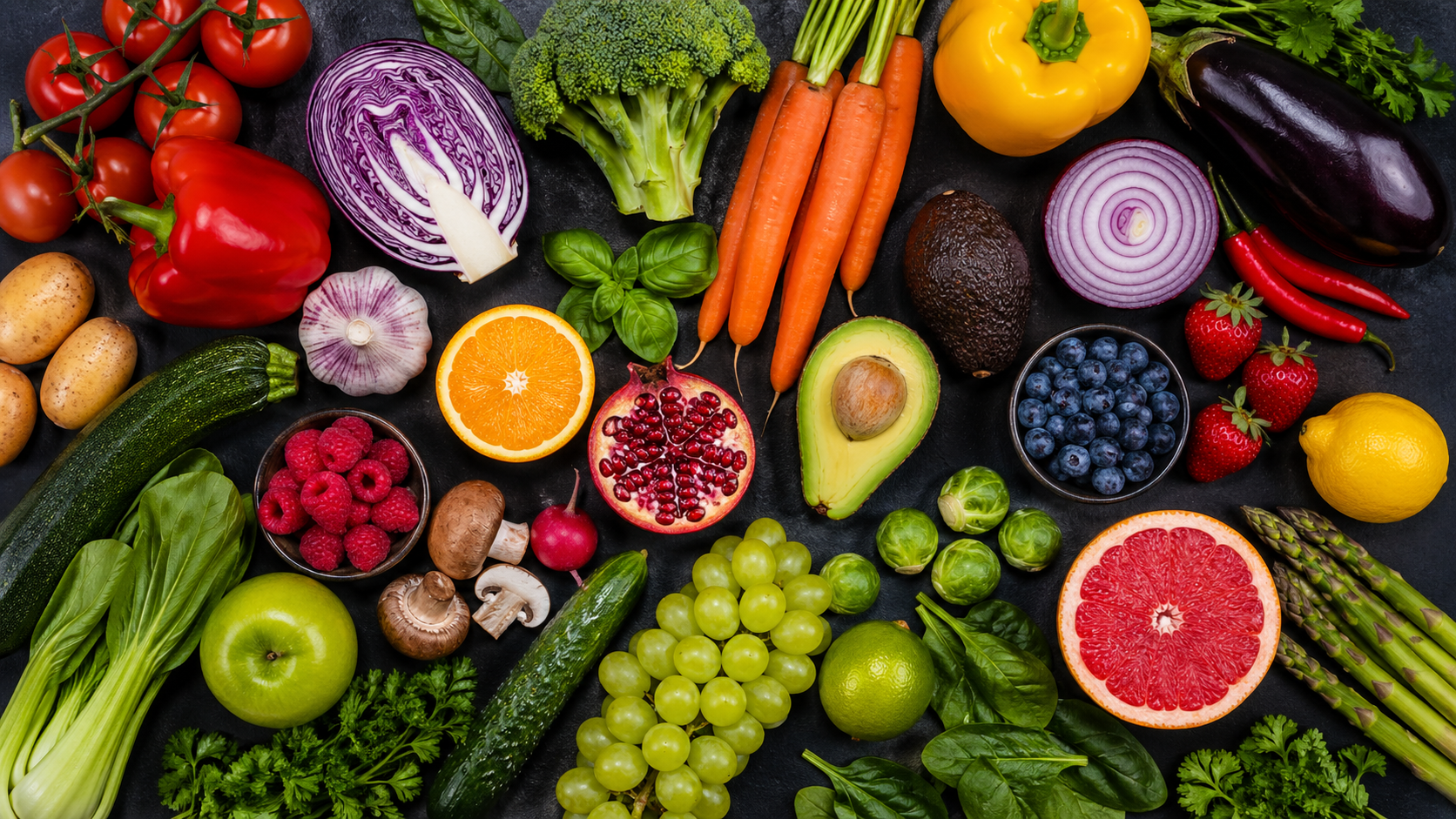
Dr Li talks a lot about polyphenols — compounds found in plants that have powerful effects on the body's defence systems. And the foods richest in polyphenols tend to be the most vibrantly coloured ones. Dark berries. Red and purple vegetables. Green leafy things. He calls it eating the rainbow, and it's become something of a personal mantra for me.
Blueberries, blackberries, pomegranate, beetroot, broccoli, dark leafy greens, walnuts, green tea. These aren't exotic or expensive foods. They're just real food — the kind of food humans ate before we started processing everything within an inch of its life.
Why I think ultra processed food is a big part of the problem
I'm going to say something here that I feel strongly about, even though I can't prove it for certain. I believe that the rise in early onset cancers — cancers in people who are younger than the statistics would traditionally suggest — is closely linked to diet. Specifically to ultra processed food.
Our bodies have been eating real food for hundreds of thousands of years. They know how to deal with vegetables, fruit, meat, fish, grains. They do not know how to deal with emulsifiers, artificial flavourings, stabilisers and all the other things that go into the products that line most supermarket shelves. And I think that confusion — that constant low level stress on our systems — creates an environment where cancer can get a foothold.
I'm not a scientist. I could be wrong. But it feels right to me, and the research I've read supports it more than it contradicts it.
What this means in practice
I'll go into more detail about exactly what I eat day to day in the next post. But the headline is simple: I now try to eat only real food, as much as possible. Things that grew in the ground or lived in a field. Things with one ingredient. And the more colourful, the better.
If you want to go deeper on the science, I'd genuinely recommend looking up Dr William Li on YouTube as a starting point. Watch a couple of videos and see what you think. His book — Eat to Beat Disease — goes much further into the research if you want the full picture.
As always — nothing I write here is medical advice, and I'd never suggest anyone changes their diet without talking to their own medical team first. This is my personal experience and the research I've found persuasive. Please do your own reading and make your own decisions.
— Nick